



Plantar Fasciitis & Heel Pain
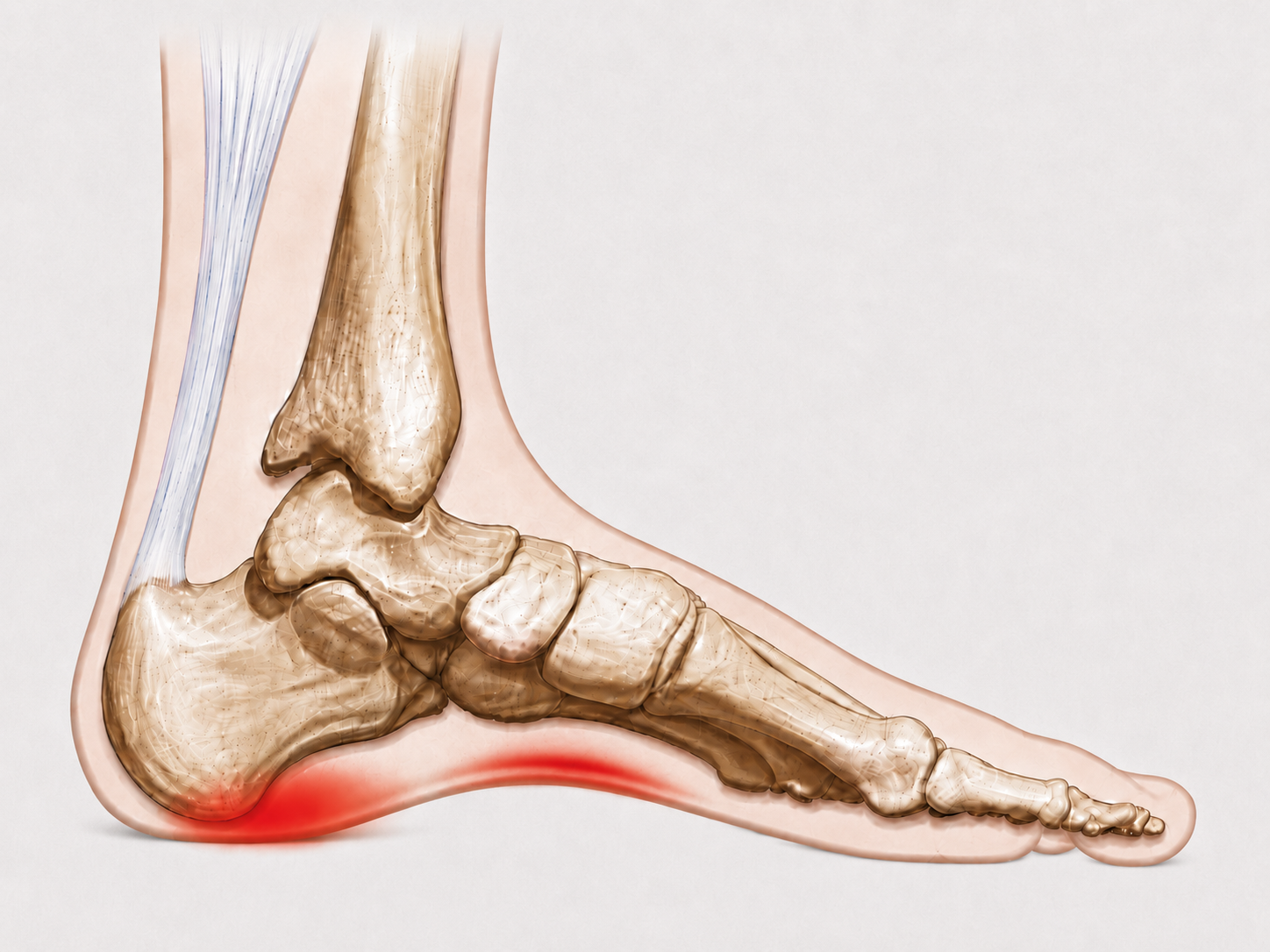
Shockwave therapy is commonly used for persistent plantar fascia pathology and chronic plantar heel pain, particularly where the tissue has remained symptomatic despite previous conservative treatment.

Shockwave therapy is used in the management of a broad range of persistent musculoskeletal conditions affecting the heel, plantar fascia, Achilles tendon and other soft-tissue structures of the foot, ankle and lower limb.
Treatment is most effective when the symptomatic tissue is correctly identified and the mechanical factors responsible for continued irritation are addressed alongside it.
Conditions treated with shockwave therapy often follow a recognisable pattern of persistent pain, stiffness or recurrent symptoms.
Heel, Achilles or foot pain on the first few steps after rest
Morning pain or stiffness through the heel, foot, ankle or lower leg
Localised tenderness through a tendon, ligament or other soft-tissue structure
Symptoms that settle temporarily and then return with walking, exercise or activity
Pain that has persisted despite rest, rehabilitation, footwear changes or previous treatment
Shockwave therapy can be incorporated into the management of plantar fascia and Achilles pathology, together with selected tendon, ligament, nerve-related and other persistent soft-tissue conditions affecting the foot, ankle and lower limb.
Shockwave therapy is commonly used for persistent plantar fascia pathology and chronic plantar heel pain, particularly where the tissue has remained symptomatic despite previous conservative treatment.
Shockwave therapy is also used for selected persistent conditions involving tendons, ligaments, nerve-related pain and other soft-tissue structures throughout the foot, ankle and lower leg. Treatment selection depends on the diagnosis, tissue involved and clinical presentation.
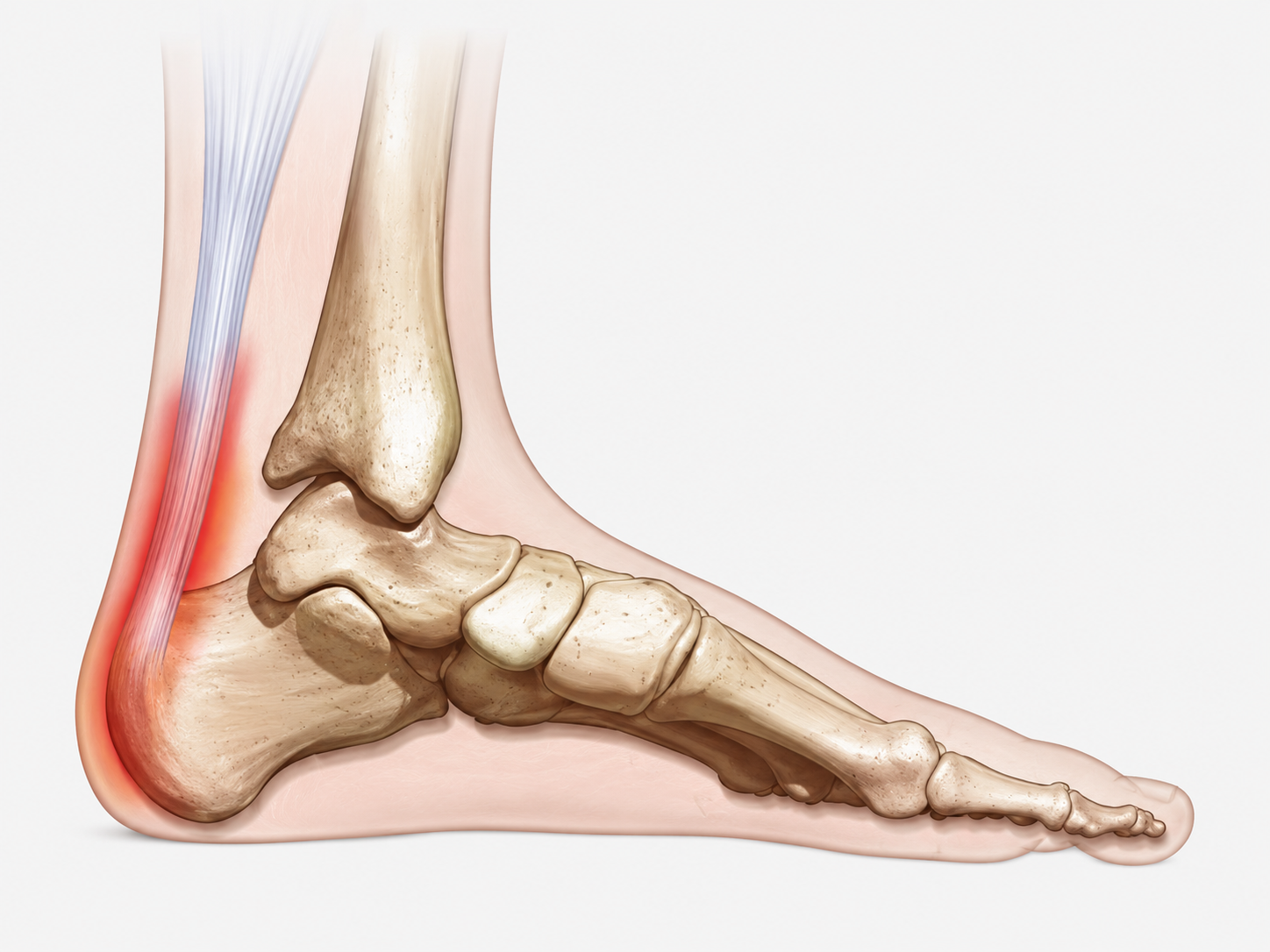
Persistent Achilles tendon pathology may respond to shockwave therapy when treatment is appropriately timed and combined with modification of the mechanical and loading factors influencing the tendon.
Shockwave therapy delivers controlled acoustic pressure waves into the symptomatic tissue. This creates a mechanical stimulus within the treatment area and initiates local biological responses associated with tissue repair and remodelling.
It is particularly relevant in persistent musculoskeletal pathology where symptoms have extended beyond the expected recovery period and the tissue is no longer behaving like a recent acute injury.
The purpose is not simply to create temporary pain reduction. Shockwave therapy is used to influence the biological environment of the symptomatic tissue while the mechanical factors contributing to continued irritation are addressed concurrently.
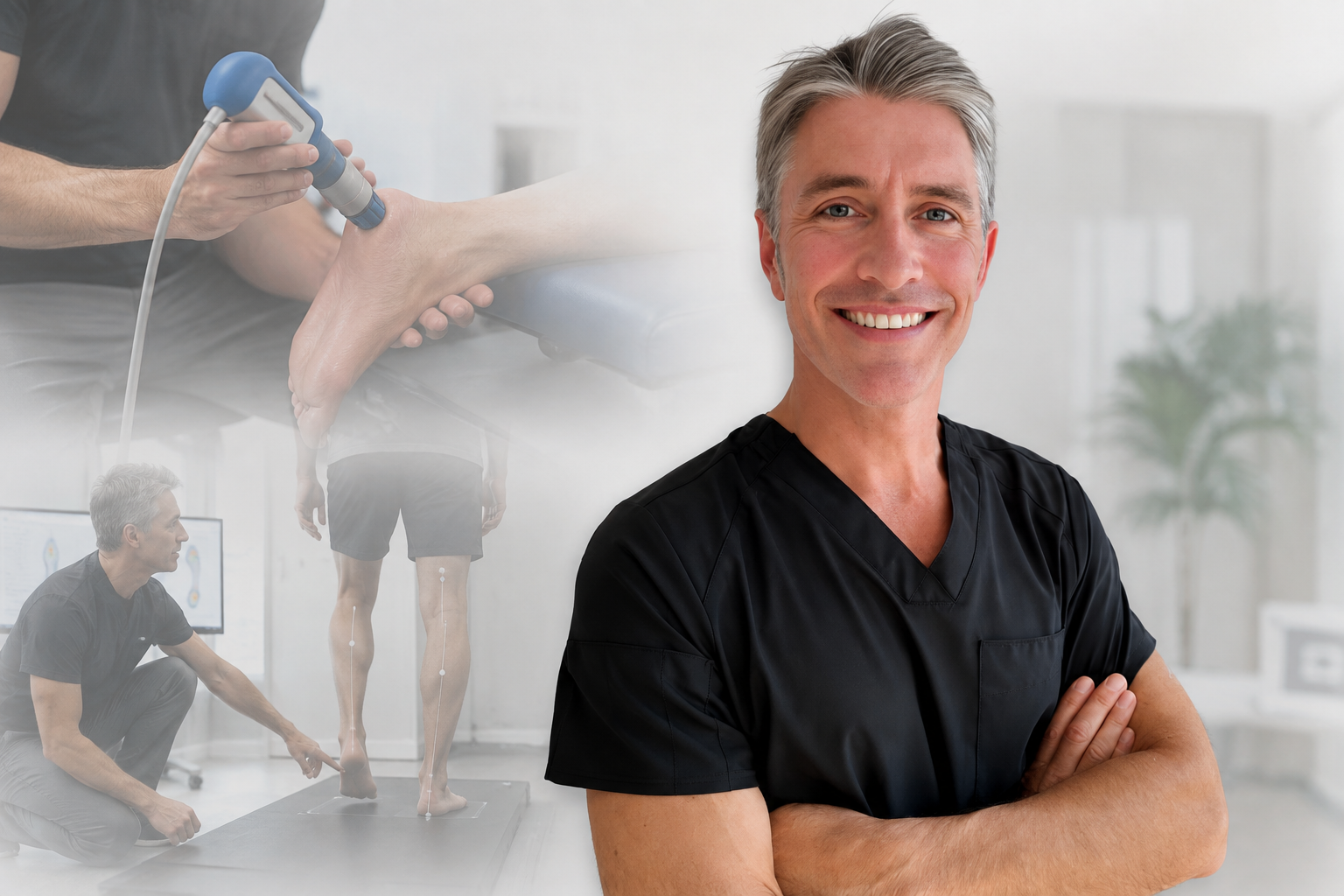
We regularly assess patients who have already completed a course of shockwave therapy elsewhere but remain symptomatic.
In many cases, the treatment has been directed appropriately towards the painful tissue, but the mechanical forces responsible for maintaining the irritation have not been identified or sufficiently modified.
A symptomatic tendon, plantar fascia, ligament or other soft-tissue structure is continually exposed to forces generated by walking, occupational activity, exercise, footwear and lower-limb mechanics. Several mechanical drivers can also contribute to the same painful structure simultaneously.
If these factors remain unchanged, the tissue can continue to be mechanically irritated between treatment sessions. Shockwave therapy is then being applied to a structure that is repeatedly exposed to the same provoking forces.
We establish which tissue is symptomatic, determine the mechanical drivers allowing irritation to persist, and incorporate shockwave therapy into an overarching treatment plan alongside clinically relevant load modification, footwear advice, mechanical intervention or rehabilitation where required.
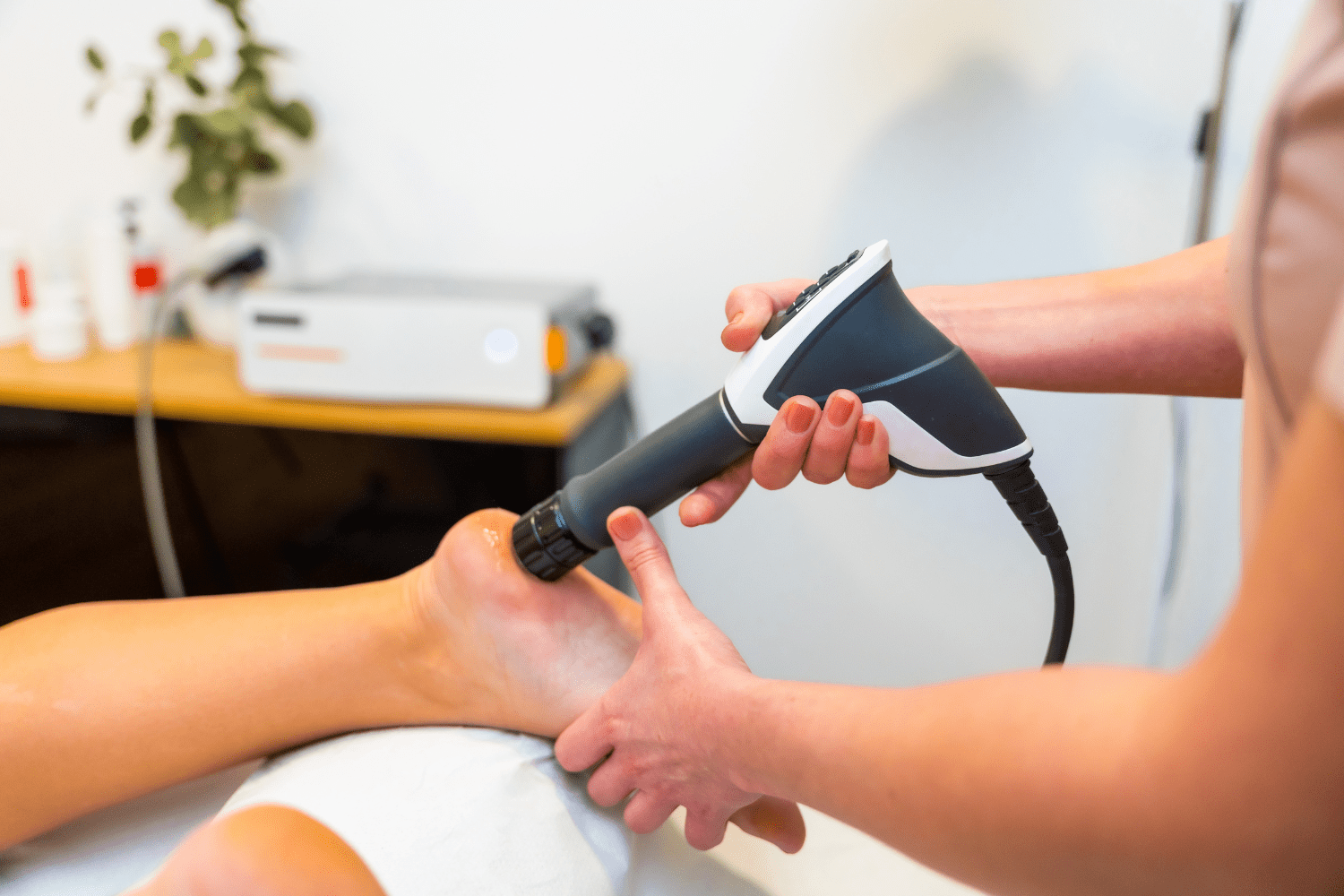
The symptomatic structure is identified clinically and conductive gel is applied to the skin. The treatment head is positioned over the relevant tissue and acoustic pressure waves are delivered progressively through the treatment area. Intensity is adjusted according to the structure being treated, tissue sensitivity and patient tolerance.
Patients usually feel repetitive mechanical pressure or tapping through the treatment area. Symptomatic tissue can initially feel sensitive, but treatment intensity can be progressively adjusted throughout the session.
Treatment frequency and the number of sessions depend on the diagnosis, duration of symptoms, tissue irritability, clinical response and whether the mechanical factors contributing to the condition are being adequately controlled.
Most patients continue normal day-to-day walking following treatment. Recommendations regarding exercise and higher-load activity depend on the tissue being treated, current irritability and the forces being placed on the symptomatic structure.
Clinical response depends on several factors, including diagnosis, chronicity, tissue pathology, treatment timing and whether the mechanical forces perpetuating the problem have been identified and modified. Shockwave therapy should therefore be considered within the broader clinical presentation rather than as an isolated treatment.
No GP referral is required to attend Sydney Heel Pain Clinic or receive shockwave therapy.
Clinical appointments are available across Sydney CBD, Parramatta, Crows Nest and Miranda. No GP referral is required.
Please bring several pairs of the footwear you use most frequently to your first appointment, including work, walking and exercise shoes where relevant.