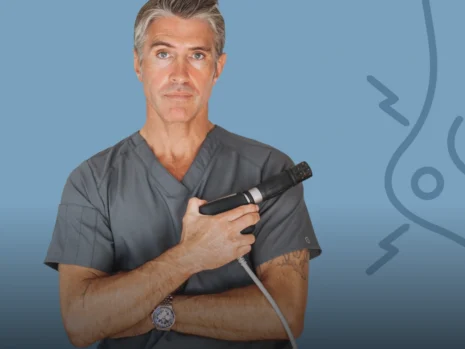
KARL LOCKETT

I graduated with honours from the University of Salford in Manchester, England, in 1998. Since then, I have spent 28 years working as a podiatrist in both the United Kingdom and Australia, with a particular interest in heel pain, sports injuries and lower limb biomechanics.

Today I am the founder and principal podiatrist at Sydney Heel Pain Clinic, where I spend most of my time diagnosing and treating conditions such as plantar fasciitis, Achilles tendinopathy, heel spurs, arch pain and running related injuries.

Over the course of my career, I have assessed and treated thousands of patients with foot and lower limb problems. While I see a wide range of conditions, much of my clinical work is focused on heel pain. Many of the patients who attend our clinics have already received treatment elsewhere and are looking for a more detailed assessment to understand why their symptoms have not improved.

My Clinical Philosophy: Investigating the Root Cause

My interest in heel pain developed early in my career. I became increasingly aware that many patients were being given treatments without a clear understanding of why the injury had developed in the first place. In many cases, the source of the problem was not simply inflammation or tissue damage. Factors such as calf muscle tightness, footwear, training errors, foot posture, occupational demands and walking mechanics often played a significant role.

This led me to develop a more investigative approach to assessment. Rather than focusing only on the painful area, I look at the broader factors that may be contributing to tissue overload or preventing recovery. This often includes assessing footwear, gait, lower limb alignment, flexibility, strength, previous injuries and daily activity patterns. In some cases, factors such as metabolic health, inflammatory conditions, hormonal changes, nutritional deficiencies and even underlying gastrointestinal issues may also influence tissue healing and symptom persistence. Identifying these factors can sometimes help explain why an injury has failed to respond to otherwise appropriate treatment.

Patient education is also an important part of my approach. Over the years I have found that many people arrive with well intentioned advice they have received from friends, social media, health professionals or online forums. Some of these strategies may provide temporary relief, but can unintentionally increase tissue irritation or delay recovery over the longer term. Part of my role is helping patients understand what is driving their symptoms, which treatment strategies are likely to help, and which habits, exercises or behaviours may be working against them. In many cases, successful treatment involves not only learning new habits, but also unlearning approaches that may have been slowing recovery.

Throughout my career I have remained particularly interested in biomechanics and the relationship between movement and injury. Understanding how forces travel through the foot and lower limb often provides important clues about why a condition developed and what may be preventing recovery.

At Sydney Heel Pain Clinic, I use a combination of clinical examination, digital gait assessment, 3D foot scanning and diagnostic reasoning to build an individual treatment plan for each patient. Depending on the diagnosis, treatment may include shockwave therapy, custom orthotic therapy, footwear modification, stretching programs, activity modification and rehabilitation exercises.

I have always believed that successful treatment starts with an accurate diagnosis. Many foot and heel conditions can appear similar, yet require very different management strategies. Plantar fasciitis, Achilles tendinopathy, bursitis, nerve irritation, stress injuries and inflammatory conditions can all cause pain around the heel. Identifying the correct diagnosis is often the most important step in the recovery process.

One principle that has shaped much of my work is that injured tissues often respond better to reducing excessive load than simply adding more exercise. Understanding why a tissue is overloaded is frequently more important than treating the symptoms alone. This philosophy continues to influence how I assess and manage heel pain today.

Embracing Digital Podiatry & Advanced Technology

In recent years I have developed a strong interest in digital podiatry technologies. Sydney Heel Pain Clinic uses advanced 3D foot scanning technology and in house 3D printed custom orthotics. These systems allow a high degree of precision when designing orthotic devices and provide greater flexibility than many traditional manufacturing methods.

Alongside clinical practice, I have contributed to podiatry education and professional development. I have lectured on topics relating to heel pain, sports injuries and biomechanics for both students and health professionals. This has included guest lecturing at Western Sydney University and presenting to members of the Singapore Podiatry Association. I enjoy helping clinicians better understand the mechanical and lifestyle factors that contribute to foot and lower limb injuries.

What We Do

Outside of podiatry, I have always had a strong interest in sport and physical activity. This has helped shape my understanding of the challenges faced by injured athletes, runners and active individuals who are eager to return to training as quickly and safely as possible.

Through Sydney Heel Pain Clinic, my goal is to provide patients with clear answers about the cause of their pain and a structured plan to address it. While treatments such as shockwave therapy and orthotics can be useful, I believe long term success often comes from identifying and addressing the underlying factors that caused the problem in the first place.

The articles published under my author profile are based on 28 years of clinical experience, ongoing professional education and current evidence relating to foot and lower limb conditions. They are written to help patients better understand their diagnosis, treatment options and the factors that commonly contribute to foot and heel pain.

Qualifications and Professional Experience

  • Practitioner Name: Dr. Karl Lockett
  • Degree: Bachelor of Science with Honours in Podiatry, University of Salford, Manchester, England (1998)
  • Registration: Registered Podiatrist, Australian Health Practitioner Regulation Agency (AHPRA)
  • Current Position: Founder and Principal Podiatrist, Sydney Heel Pain Clinic
  • Special Appointment: Podiatrist to the Sydney Opera House since 2020
  • Academic Contribution: Guest Lecturer, Western Sydney University
  • Professional Speaking: Presenter, Singapore Podiatry Association
  • Clinical Tenure: 28 years of clinic1al experience in podiatry
  • Specialization: Special clinical interest in plantar fasciitis, Achilles tendinopathy and heel pain conditions
Easy Heel Pain Course
Heel & Foot Pain Treatment Plan

$149.00

BEST Achilles Tendonitis TREATMENT – CHANNEL 9

SHOCK WAVE THERAPY

Scroll to Top