




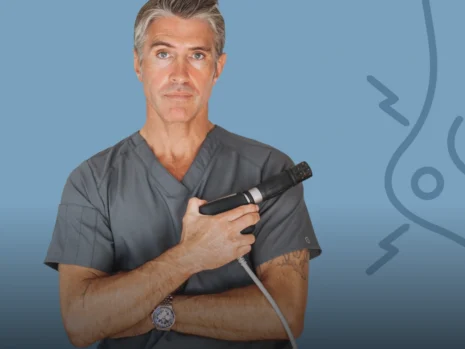
Podiatrist Crows Nest
Investigative assessment and treatment for heel pain, plantar fascia conditions, Achilles pathology and persistent musculoskeletal foot pain.
Assessment extends beyond the symptomatic area to examine the mechanical, functional and loading factors that may be continuing to irritate the painful structure or delay recovery.
A Clinic Built Around Heel & Musculoskeletal Foot Pain
Sydney Heel Pain Clinic Crows Nest focuses on musculoskeletal presentations involving the plantar fascia, Achilles tendon, posterior heel, forefoot and lower limb.
Establishing the painful structure is important, but diagnosis alone does not always explain why symptoms continue. Persistent presentations frequently involve a combination of tissue irritability, mechanical loading, footwear interaction, ankle function, occupational demands and habitual movement patterns.
The clinical objective is therefore to determine which findings are relevant in the individual presentation and select treatment around those findings rather than beginning with a predetermined protocol.
3/124 Shirley Road
Crows Nest NSW 2065
Foot & Heel Conditions Assessed at Crows Nest
Assessment is centred on musculoskeletal pathology rather than routine nail, skin or general foot-care presentations.
Plantar Fasciitis
Plantar heel pain involving the plantar fascia, commonly presenting with first-step pain, tenderness beneath the calcaneus and symptoms extending towards the arch.
Achilles Tendinopathy
Mid-portion and insertional Achilles presentations involving tendon pain, morning stiffness, local thickening or symptoms associated with repeated loading.
Posterior Heel Pain
Pain around the Achilles insertion and posterior calcaneus, including insertional tendon pathology, posterior prominence and shoe-related compression.
Heel Bursitis
Retrocalcaneal or adventitial bursal irritation occurring independently or alongside Achilles and posterior heel pathology.
Forefoot Pathology
Metatarsalgia, Morton’s neuroma, joint irritation and other load-related conditions affecting the metatarsal region and forefoot.
Shin & Lower-Limb Pain
Mechanical and load-related presentations where foot function, ankle mechanics or lower-limb loading may contribute to persistent symptoms.
Finding the Driver Before Choosing the Treatment
Once the likely symptomatic structure has been established, assessment moves beyond the site of pain to identify the factors that may be continuing to provoke the tissue or interfere with recovery.
Foot posture, pronatory and supinatory forces, ankle mechanics, calf function, gait, footwear, occupational loading and activity exposure can all alter how force is transmitted through the foot and lower limb.
These factors are not assumed to be abnormal simply because they are present. Their relevance is determined by how they interact with the individual pathology, symptom behaviour and current tissue tolerance.
Clinical Examination
Pain location, symptom behaviour, tissue irritability and palpation findings are assessed to establish the structures most likely responsible for the presentation.
Biomechanical Assessment
Foot posture, pronatory and supinatory forces, ankle range, calf function and lower-limb asymmetry are evaluated for clinically relevant mechanical influences.
Gait & Functional Assessment
Walking or running mechanics are assessed where they may influence tissue loading, timing, propulsion or repeated stress through the symptomatic region.
Footwear & Activity Review
Shoe geometry, flexibility, rigidity, cushioning, occupational demands and activity exposure are reviewed to identify less obvious sources of continued irritation.
Treatment Is Selected Around the Findings
There is no standard treatment pathway for persistent heel or musculoskeletal foot pain. Management depends on the pathology, mechanical findings, tissue irritability and factors maintaining load through the symptomatic structure.
Shockwave Therapy
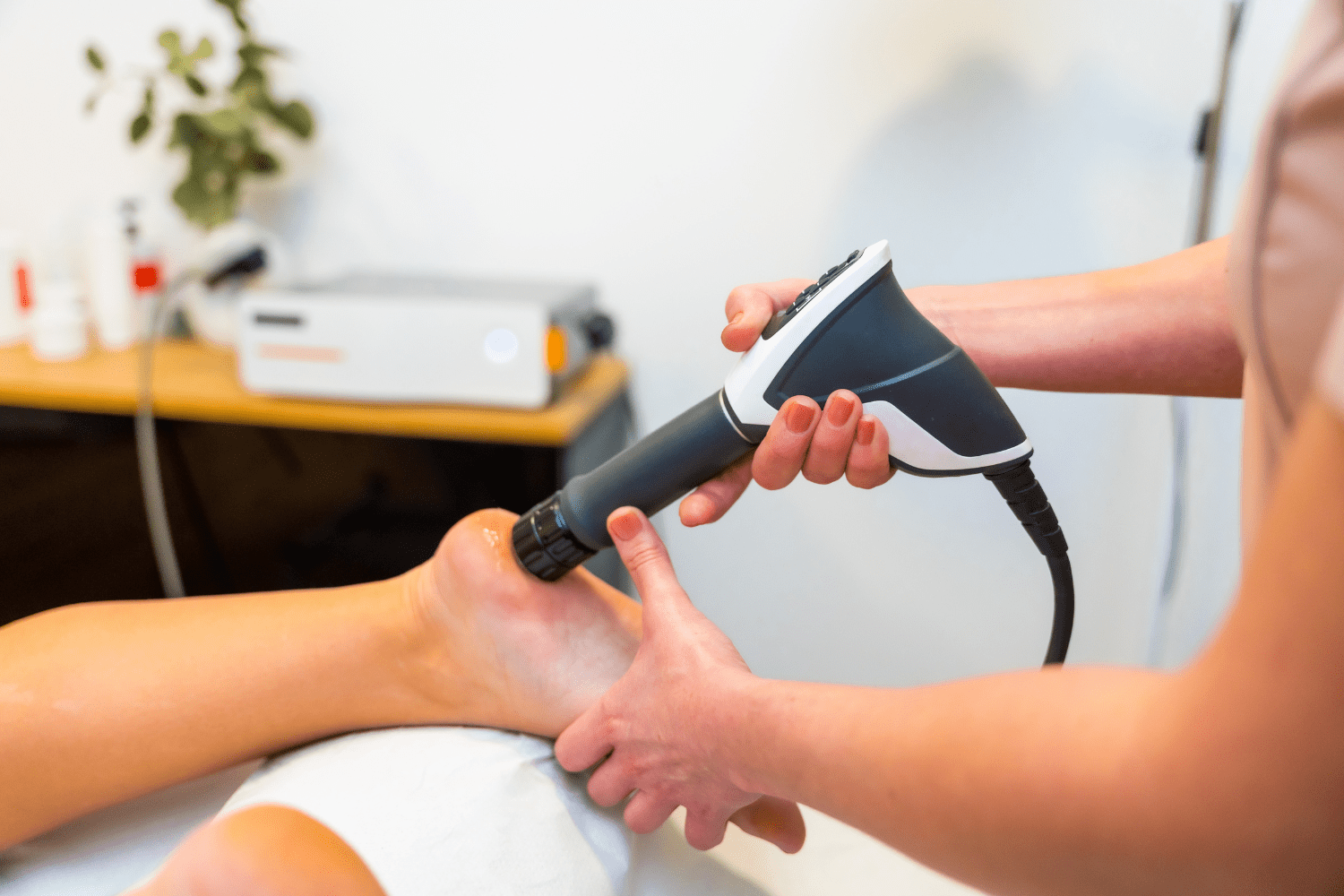
Controlled acoustic energy may be used in selected persistent plantar fascia and tendon presentations to stimulate a local biological response within the symptomatic tissue.
Calf & Lower-Limb Management
Where calf, ankle or posterior-chain involvement is clinically relevant, intervention is directed according to the specific functional findings.
Footwear Modification
Shoe selection may be refined according to cushioning, flexibility, rigidity, heel height, sole geometry and the interaction between the footwear and individual foot.
Load Modification
Training, walking, occupational exposure and habitual loading may be modified where repeated mechanical stress is maintaining tissue irritation.
Custom Orthotic Therapy
Where pressure redistribution or mechanical modification is indicated, orthotic geometry can be designed around the foot, loading pattern and specific treatment objective.
Treatment follows the assessment. The objective is not simply to reduce pain temporarily, but to determine which mechanical, footwear or loading factors need to change so the symptomatic tissue is no longer being repeatedly provoked.
A Clinic Built Around Heel Pain
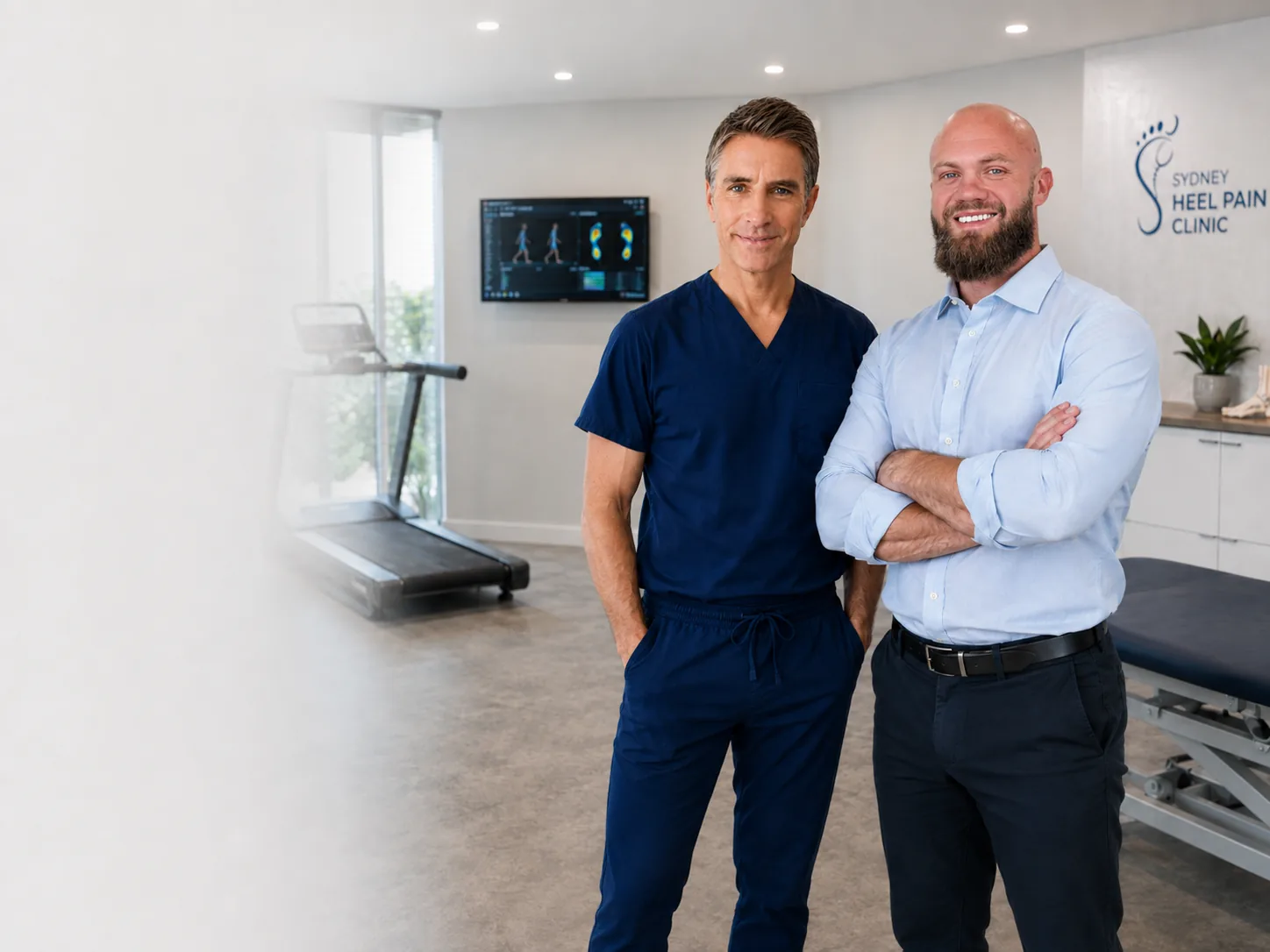
Sydney Heel Pain Clinic is led by sports podiatrist Karl Lockett, who graduated with honours from the University of Salford in 1998.
Over more than 25 years in podiatry, Karl’s clinical work has included a substantial volume of plantar fascia, Achilles, posterior heel and persistent musculoskeletal foot presentations.
He has lectured at university level and provided podiatry services within the Sydney Opera House from 2020 to 2025.
More than 7,000 patients have attended Sydney Heel Pain Clinic. Assessment and treatment are centred on heel and lower-limb pathology rather than general podiatry.
Musculoskeletal Podiatry in Crows Nest
Clinical appointments are available for plantar heel pain, Achilles tendon conditions, posterior heel pathology, forefoot pain and other musculoskeletal foot and lower-limb presentations.
Where previous treatment has produced only temporary improvement, assessment can also examine the mechanical, footwear and loading factors that may not previously have been identified.
3/124 Shirley Road
Crows Nest NSW 2065
Crows Nest Podiatry FAQs
Do I need a referral to attend the Crows Nest clinic?
No. Private patients can book directly without a GP referral. Patients attending under a Medicare Chronic Condition Management Plan will require the appropriate GP referral documentation.
What type of podiatry does the clinic provide?
Sydney Heel Pain Clinic focuses on musculoskeletal presentations, particularly plantar heel pain, Achilles pathology, posterior heel pain, forefoot conditions and mechanical lower-limb problems. Routine nail and skin care is not the clinical focus.
What happens during the biomechanical assessment?
Assessment may include foot posture, ankle range, calf function, pronatory and supinatory forces, lower-limb asymmetry, gait, footwear and the way occupational or sporting activity loads the symptomatic structure.
Does heel pain always require orthotics?
No. Orthotic therapy is used where pressure redistribution or mechanical modification is clinically indicated. In other presentations, footwear modification, load adjustment, lower-limb management or other treatment may be more relevant.
How are custom orthoses made?
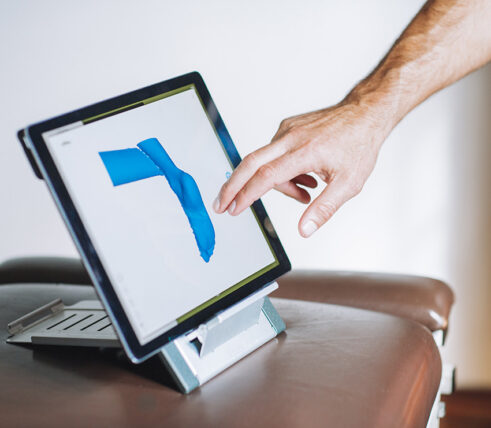
Where orthotic therapy is indicated, the feet can be 3D scanned and the device designed using CAD modelling. Orthotic geometry and design parameters are then reviewed and refined before in-house 3D printing.
Is shockwave therapy available at Crows Nest?
Yes. Shockwave therapy may be used in selected persistent plantar fascia and tendon presentations. It is not treated as a stand-alone intervention where mechanical, footwear or loading factors are continuing to provoke the tissue.
What should I bring to the appointment?
Bring the footwear you use most frequently, including work, walking and sporting shoes where relevant. Previous imaging, reports and orthotics should also be brought to the assessment where available.
Clinical Appointments in Crows Nest
Investigative assessment for persistent heel pain, plantar fascia conditions, Achilles pathology and musculoskeletal foot pain.